
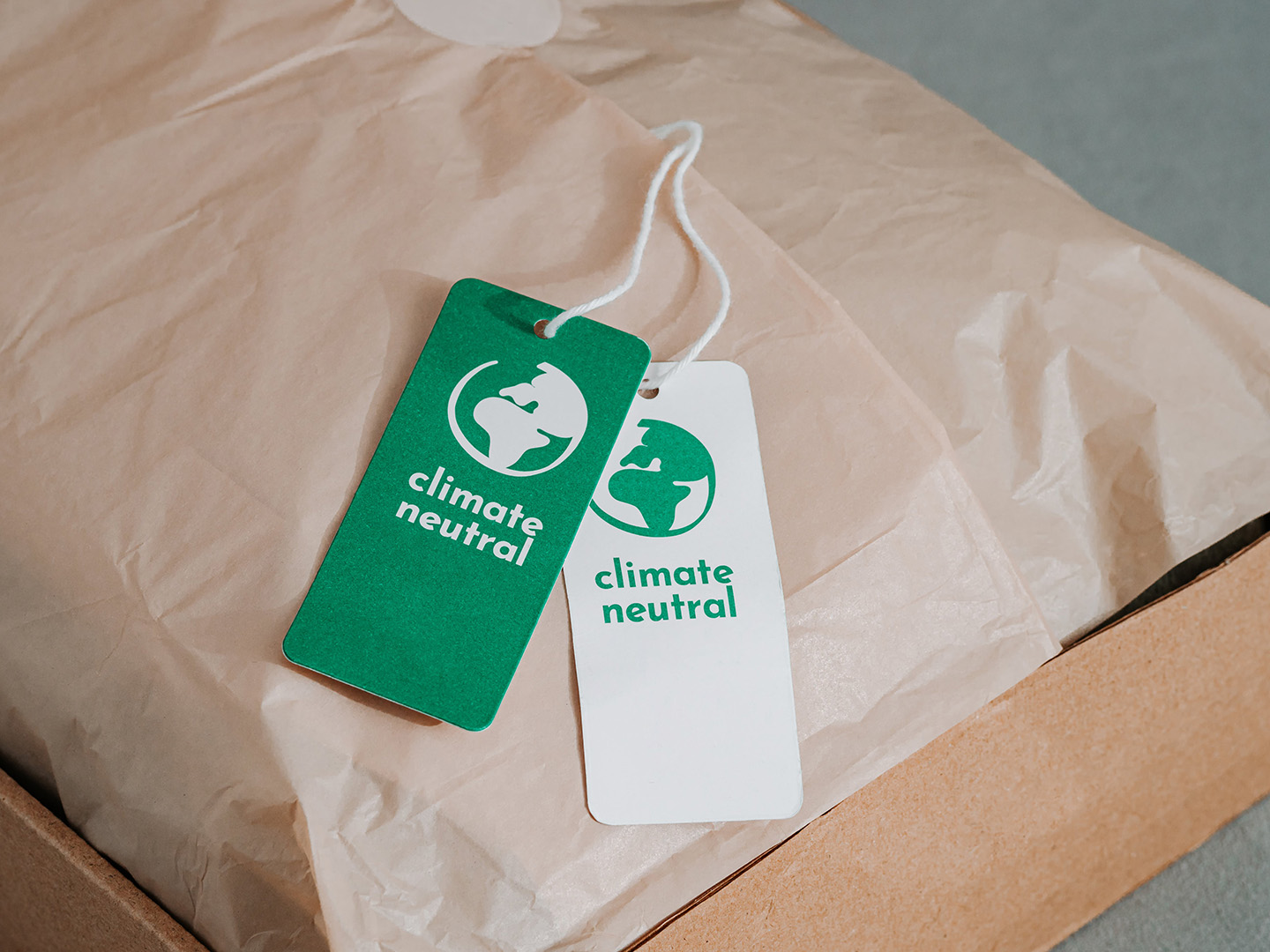
Sustainable packaging has shifted from trend to necessity. With the EU Packaging and Packaging Waste Regulation (PPWR) taking effect in 2025, brands must adapt. Its goals: cut raw material use, ensure recyclability by 2030, and drive climate neutrality by 2050.
At the same time, consumers – especially Millennials and Gen Z – demand accountability. Across industries, single-use plastics are being replaced with reusable, recyclable solutions. Eco-friendly packaging is now the baseline for responsible branding.
Sustainability builds both trust and loyalty – it’s good for the planet and good for business.
True eco-friendly packaging considers the full lifecycle:
But sustainability must also be practical and ethical. Certifications like FSC and the Sustainable Packaging Coalition help verify efforts.
Effective packaging reduces harm and adds value:
Brands like Raylo cut costs and weight by redesigning for efficiency, showing sustainability and savings can go hand in hand. IKEA’s switch to mycelium packaging proves innovation drives change.
Each ties packaging to brand values without losing quality.
Eco-friendly packaging isn’t optional – it’s a sales driver. A clear message like “Made from 100% recycled material” can sway buying decisions. Even large corporations push for stricter standards, meaning smaller brands will need to keep up.
Sustainable packaging is now a must-have, not a bonus. Consumers expect it, regulations demand it, and businesses benefit from it. For smaller brands, the shift could be the edge needed to stand out while building loyalty with values-driven customers.
The time to act is now.